I debug next-generation x86 data center CPUs at AMD, leading root-cause investigations into Silent Data Corruption (SDC) and Machine Check Exceptions (MCE). I also architected Silicon Trace, an AI-driven failure analysis platform that correlates hardware telemetry to cut manual debug cycles. Before that, I spent three years as a Sr. Embedded Product Application Engineer on AMD's Ethernet reference designs, from 10M TEMAC to 800G DCMAC on Versal and Zynq MPSoC, bridging FPGA logic (Verilog/RTL) and embedded software (Linux/drivers).
Formerly a Graduate Researcher in Software Defined Radio (SDR) and Autonomous Systems. Outside of work, I design production-grade software systems β including a 24,700-line AI content pipeline orchestrated by Temporal, and a self-hosted AI infrastructure stack running 12 models across 15 Docker services on a single GPU. I enjoy solving problems where nanoseconds matter β and problems where 55 distributed activities need to compose reliably.
Recommendations from colleagues and mentors
Daniel Sill
SMTS Systems Design Engineer"I mentored AJ in 2024 through the AMD Mentor Program. I found him to be both very eager to learn and easy to work with. In his current role at AMD, he debugs both hardware and software issues reported by networking customers. These multidisciplinary skills have made him a very valuable asset to AMD. I am exited to follow his career as he continues to excel!"
John Linn
Strategic Application Engineer at Xilinx"I can't say enough about AJ as I worked with him at AMD. He is a very motivated sharp embedded engineer. He pushes through hard problems to get to a solution with both embedded hardware and software. He has great communication skills and is a joy to work with as his attitude is always positive. He has the ability to learn new technology as he covers a lot of varied embedded subjects from RTL to Linux drivers to bare metal drivers. He is a great asset where ever he is working."
Alexis Grey β¨
Embedded Software Engineer with a passion for learning"AJ is the real deal - Fantastic engineer who learns at an unbelievable pace, and enjoys the process. I had the opportunity to have him on my team at AMD where we solved challenging problems together across a broad range of topics. AJ was a sponge, soaking up everything we threw at him, from high-speed serial protocols and signal integrity, FPGA design and configuration, bare-metal software, and embedded Linux. AJ is a pleasure to work with, and a valuable asset to any team."
Nitish Patil
PhD Candidate in ECE at Mississippi State University"Ajaya is a multi-talented person with the level of knowledge you would expect from a PhD candidate. He has quite the problem solving capabilities and would be considered an expert in the field of Electrical and Computer Engineering. I had the pleasure of working with him on the software side of UAVs and image processing where he shows excellent leadership qualities. He is easy to approach and goes out of his way to help others. I recommend Ajaya for any future endeavors he chooses as the effort he puts in his work is exemplary."
Brent Dalton
Manufacturing Engineer II β’ BSEE, MBA"I had the pleasure working with Ajaya over the course of my time at Hunter Engineering Company. Ajaya was never short to task and always gave his all when working on projects. His experience in circuit design and software are far ahead of what is expected of him as a college student. I'm honored to know and to have worked with such a exemplary man."
Core Engineering Focus:
β’ Architectural Root-Cause Analysis: Lead deep-dive investigations into complex hardware failures, including Silent Data Corruption (SDC) and Machine Check Exceptions (MCE), on next-generation x86 data center CPUs.
β’ Electrical Path Characterization: Characterized the stability and marginality of the Floating Point Physical Register File (FP-PRF) by architecting stress-to-fail campaigns using high-entropy binaries (FP_Deluge) to induce maximum di/dt voltage noise.
β’ System-Level Validation: Utilized the AFHC framework to reproduce customer-reported failures across varying PVT (Process, Voltage, Temperature) corners, ensuring silicon reliability for high-performance computing environments.
β’ Cross-Functional Leadership: Act as the primary technical bridge between Customer Engineering and Silicon Design (IP) teams to translate low-level hardware traces into actionable RTL or firmware fixes.
Architected "Silicon Trace," an AI-driven failure analysis platform utilizing RAG (Retrieval-Augmented Generation) and NL2SQL to automate the correlation of telemetry data, reducing manual debug cycles for complex MCE signatures.
Spotlight Awards:
Core Engineering Focus:
β’ System Engineering: Technical Lead for 15+ Ethernet reference designs (10G β 800G), integrating Hard IP (DCMAC/MRMAC) with DMA subsystems.
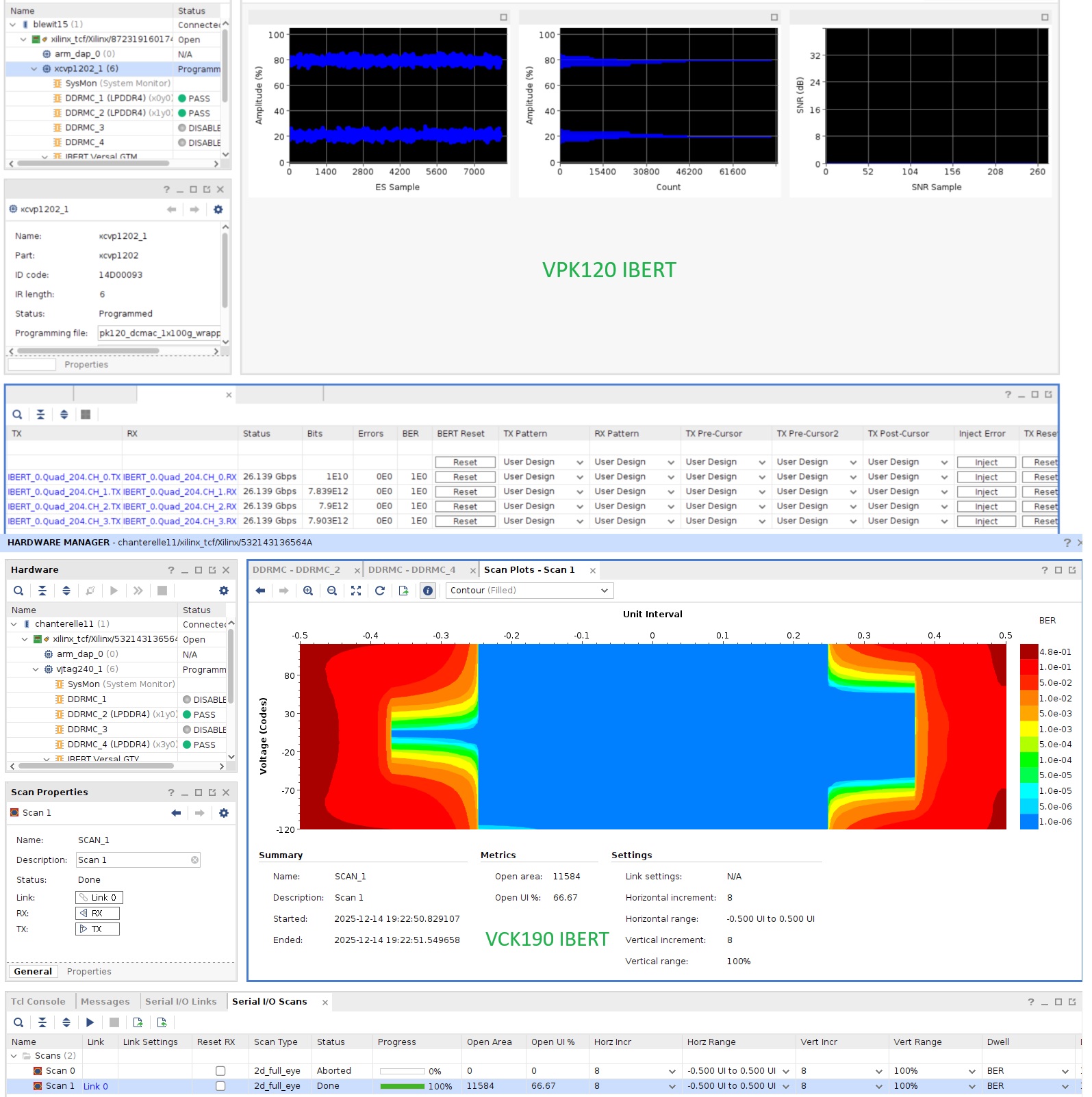
β’ Physical Layer Tuning: Expert in debugging GTY/GTM transceivers, optimizing Eye Diagrams, and resolving signal integrity issues in 400G links.
β’ Full Stack Integration: Debugging from the RTL (Verilog) up to the OS (PetaLinux/Yocto) and Kernel Drivers.
Directed FPGA and digital design labs that bridged reference design HDL, embedded Linux, and lab-based signal integrity tuning for every Ethernet IP from 10M to 800G.
Hardware & IP Ecosystem:
Technical Publications & Knowledge Base:
Authored official AMD Answer Records (ARs) and Technical Blogs to resolve global customer blockers:
Complete step-by-step guide for building a Versal MRMAC 4x25G Baremetal Ethernet Design from scratch.
Comprehensive 100G DCMAC reference design for VPK120 with CAUI-4 interface configuration.
Versal GTY/GTYP Transceivers: TX and RX Latency Values for sub-microsecond Ethernet systems.
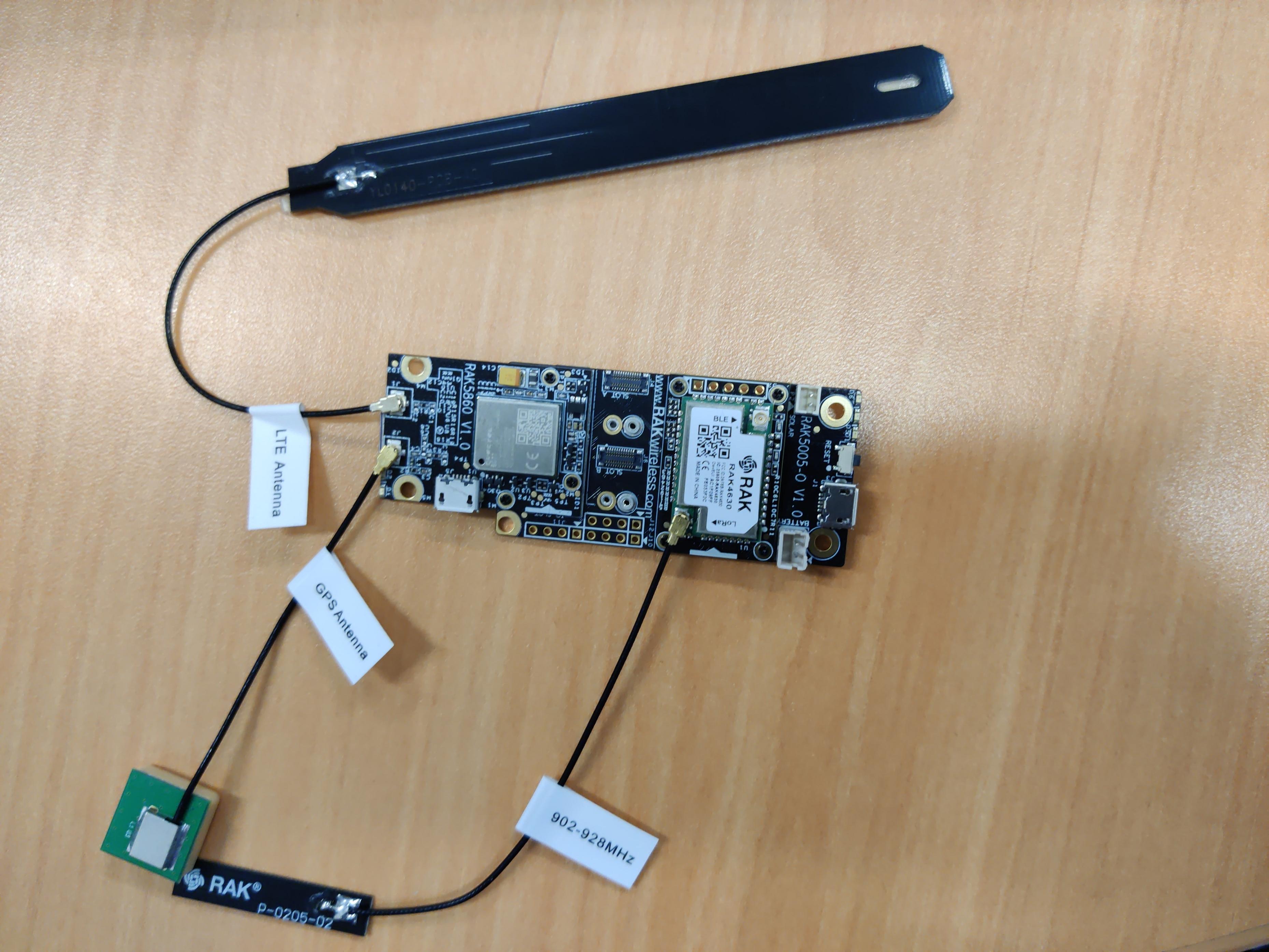
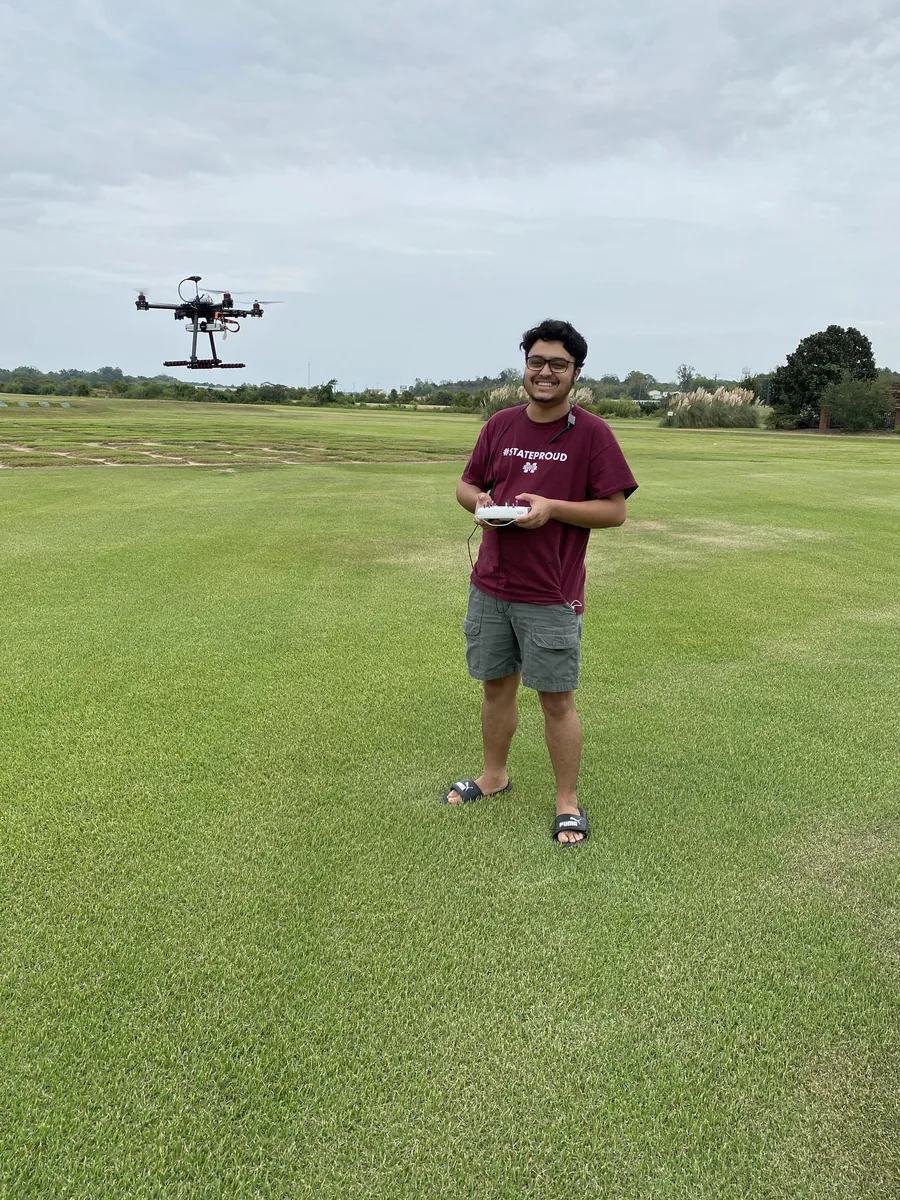
Collaborated with Center for Advanced Vehicular Systems (CAVS) researchers on autonomous vehicle perception systems using LIDAR, radar, and low-cost cameras. Leveraged GPUs and deep learning frameworks (TensorFlow, OpenCV) to detect and track lanes under diverse road conditions. Applied ML techniques like SqueezeSeg for camera-LIDAR sensor fusion. Led multiple SDR-based projects: (1) AI-powered triangulation system to locate contraband cell phones in prisons, (2) spectrum scanning system to detect RF activity using IQ data for passive microwave sensing, and (3) Wi-Fi-based human activity recognition using ML. Selected as 1 of 10 for the MSU/USDA Summer Research Experience. Contributed to 5G research with 5 universities and National Instruments, experimenting with srsLTE/RAN, OAI, and Amarisoft as a Part 107 FAA-certified drone pilot.
Architected real-time RF signal processing systems for contraband detection and human activity recognition, combining software-defined radio with machine learning to push wireless sensing into new applications.
Designed system-level functional testers for PCBs used in Hunter Engineering products (e.g., car lifts, wheel balancers, and tire changers). Created end-to-end test systems, including custom PCBs, displays, and interfaces.
Standardized visual audits across multiple shifts and partnered with fulfillment teams to document repeat failure modes so corrective actions could be triggered faster.
to verify board functionality before assembly. Developed intuitive LabVIEW GUIs and C/C++ backend code to ensure ease of use by operators with no technical background, minimizing user error. Integrated camera-based defect detection using OpenCV and built testers compatible with Aegis Factory Logix. Delivered robust, operator-friendly systems that improved quality control and production efficiency.
Applied principles from FPGA and digital design courses to architect automated PCB testers, pairing hardware control with embedded software for fast cycle times.
Ensured quality assurance in a high-volume T-shirt manufacturing facility by inspecting printed garments for accuracy, color consistency, and print defects. Verified customer specifications and maintained production standards. Played a key role in minimizing defective shipments and supporting efficient fulfillment operations.
Standardized visual audits across shifts, partnered with fulfillment leads to capture repeat failure modes, and accelerated corrective loops before assembly.
Academic Journey in Electrical & Computer Engineering
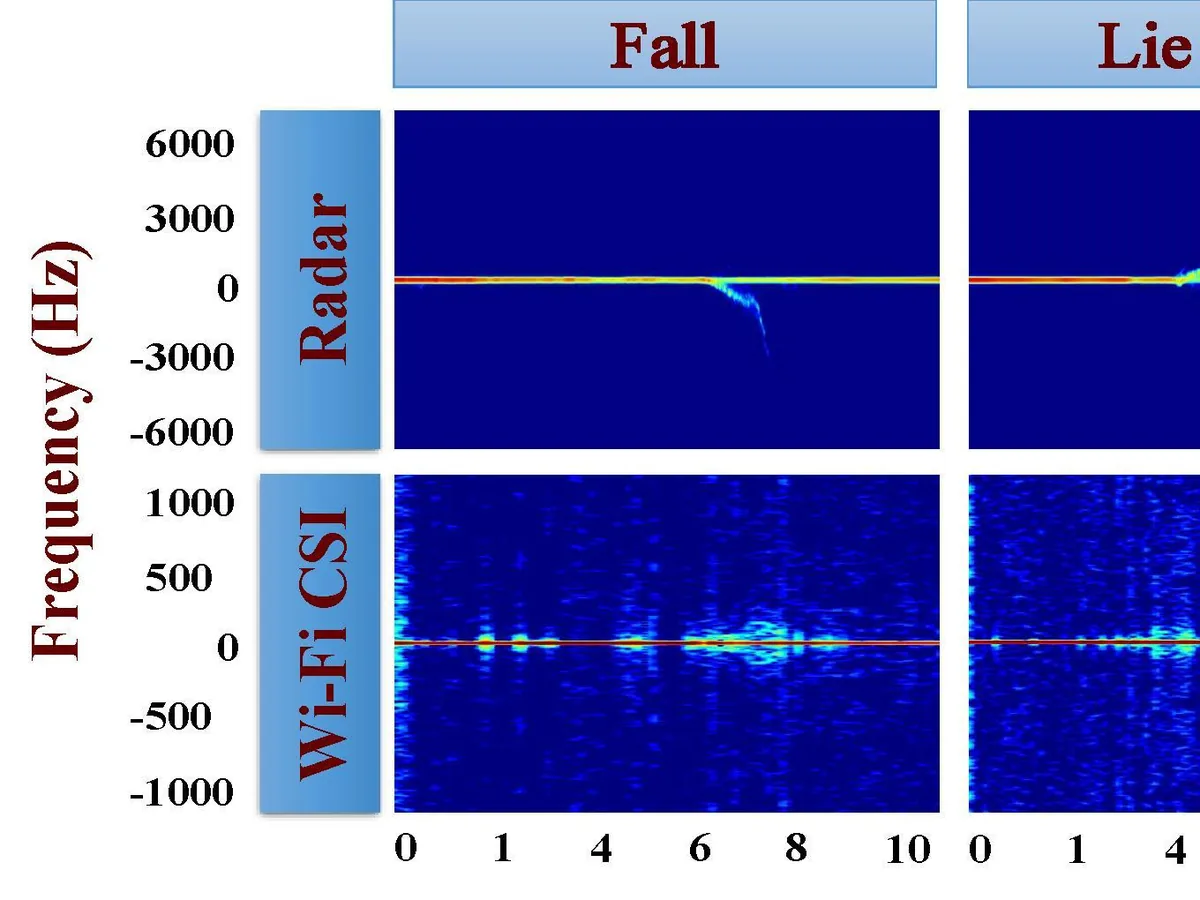
This thesis explores Software-Defined Radio (SDR) applications including Spectrum Scanning Systems, Contraband Cellphone Detection, and Human Activity Recognition via Wi-Fi signals. SDRs empower spectrum scanning systems to monitor and analyze radio frequencies in real-time, optimizing spectrum allocation for seamless wireless communication. The research demonstrates SDR-based identification of unauthorized signals in restricted areas and leverages Raspberry Pi 3B+ for tracking movement patterns via Wi-Fi signals. Additionally, a comparative analysis of Wi-Fi-based Human Activity Recognition versus Radar systems was conducted for accuracy assessment, showcasing the versatility of SDR platforms in real-time signal processing and wireless sensing applications.
π Read Full Thesis βI was deeply involved with FPGA and digital design coursework alongside embedded systems labs that translated HDL theory into practical, board-level projects.
Professional Credentials & Technical Training
Open-source FPGA reference designs and hardware projects spanning high-speed networking, embedded systems, and robotics.
The projects I'm most proud of β deep, end-to-end builds validated on real silicon.
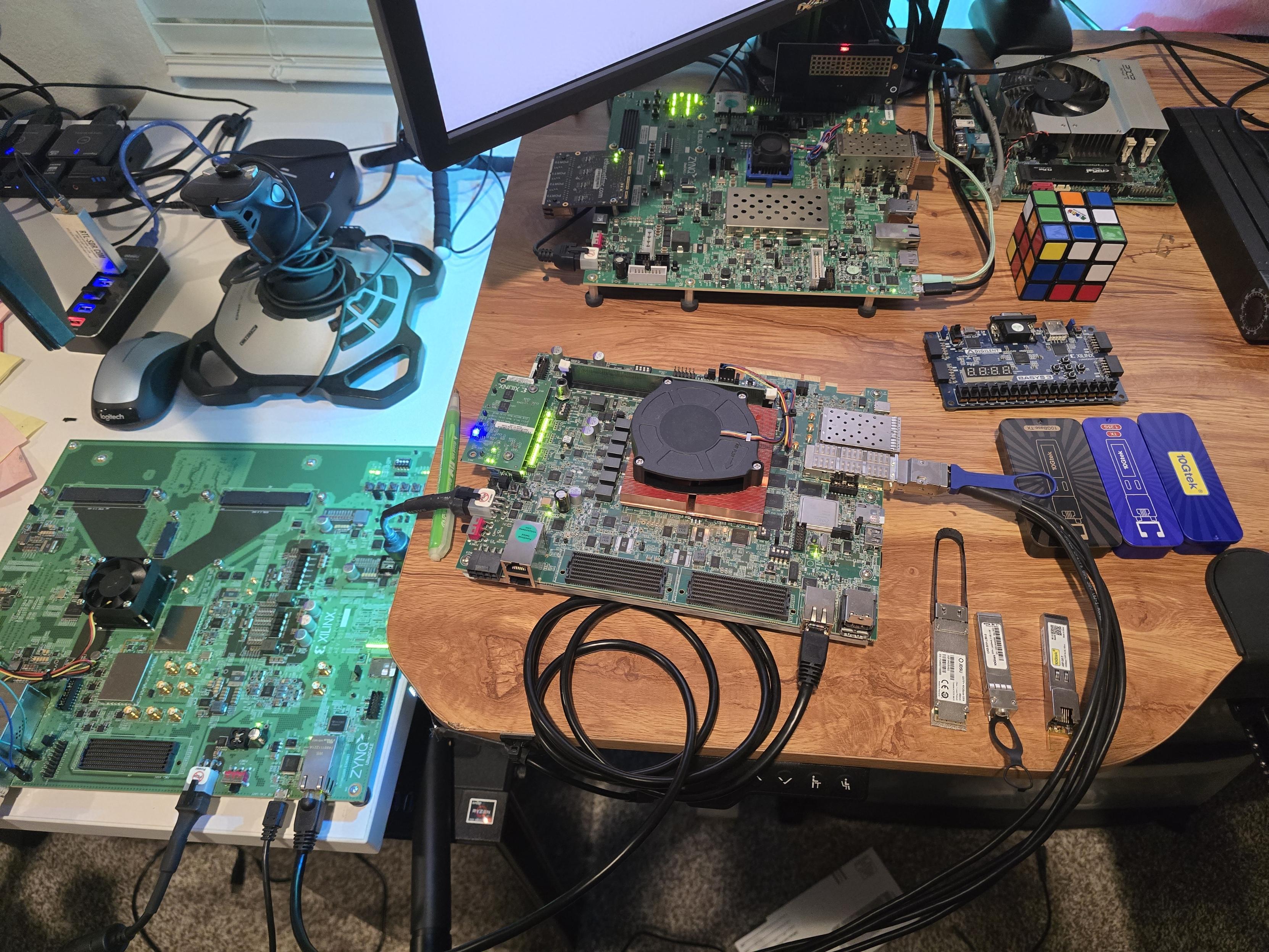
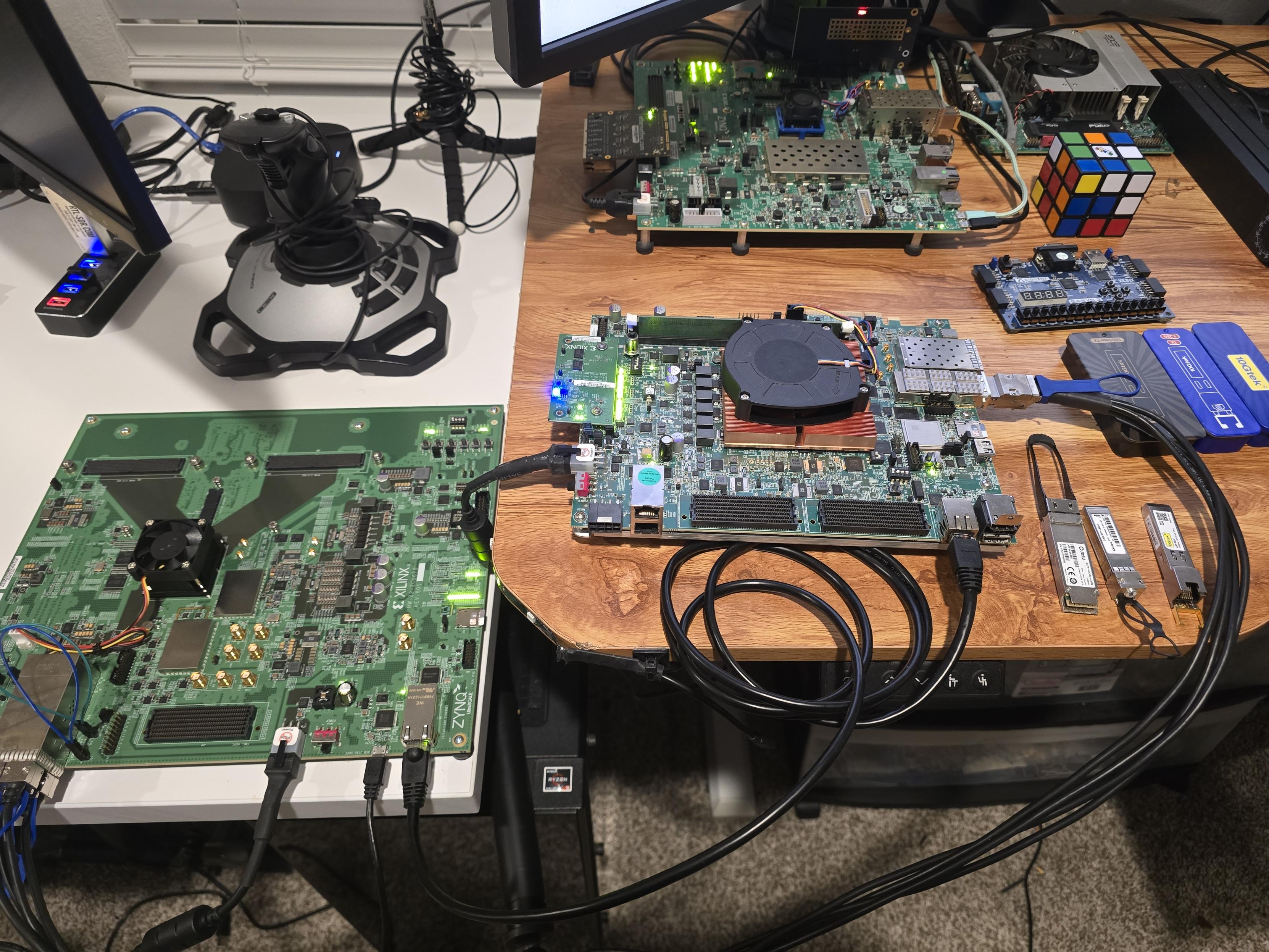
Production AMD Versal / Zynq reference designs, reusable RTL, and the workstation that builds them (2023–present).
AMD's public Ethernet example designs for the Versal VCK190, VPK120, VPK180, VMK180 and VEK280: PS GEM and PL designs from 1G up to 4x25G and 1x100G on the MRMAC and DCMAC, rebuilt for each Vivado release.
Six PS- and PL-based 1G/10G Ethernet example designs for the ZCU102 (PS GEM over MIO and EMIO, SGMII, 1000BASE-X, 10GBASE-R). The repository replaced XAPP1305 and is released per Vivado version.
A Verilog asynchronous FIFO for moving data between unrelated clock domains: Gray-code pointers, two-flop synchronizers and safe full/empty flags, following Clifford E. Cummings' SNUG 2002 design. Simulated in Vivado.
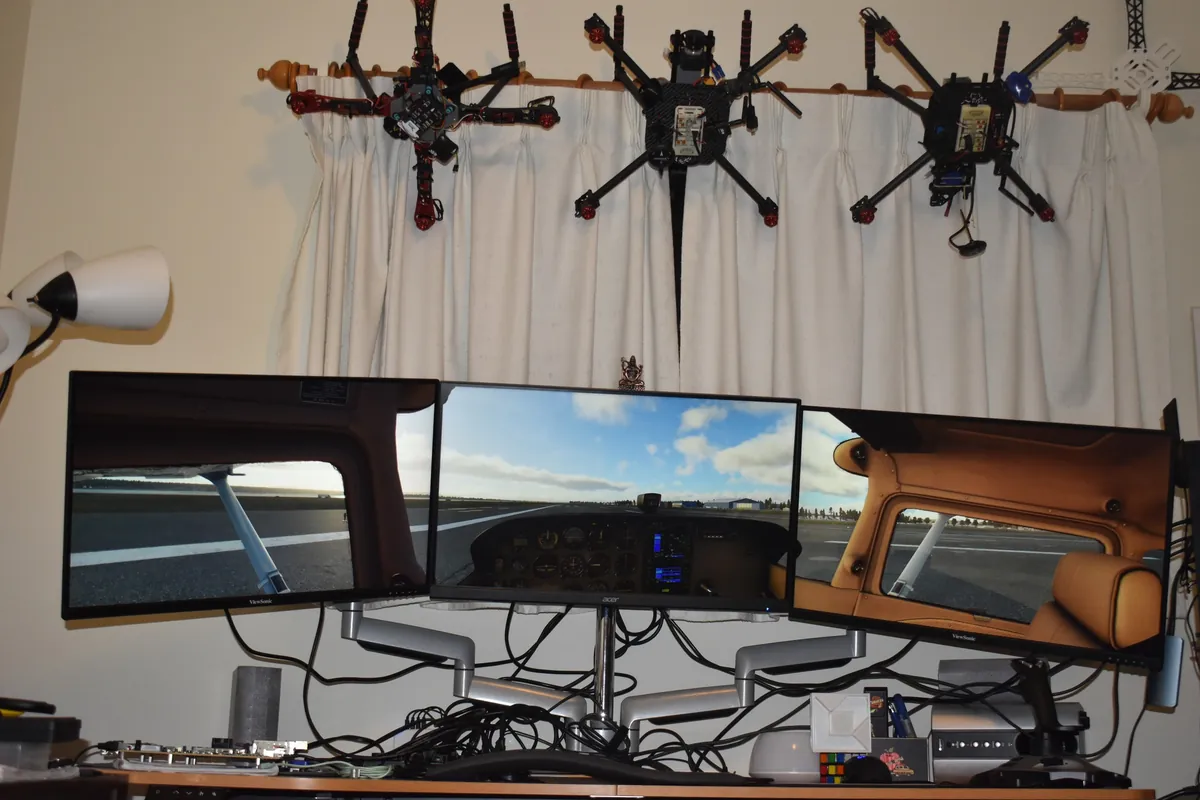
The desktop I built at the end of 2023 on an ASUS ProArt X670E with a Ryzen 9 X3D and 64 GB of DDR5. It now runs my self-hosted AI stack, Cognitive Silo, on an AMD Radeon PRO W7900.
Senior design, coursework and competition builds: roadside sensing, power electronics and drones.
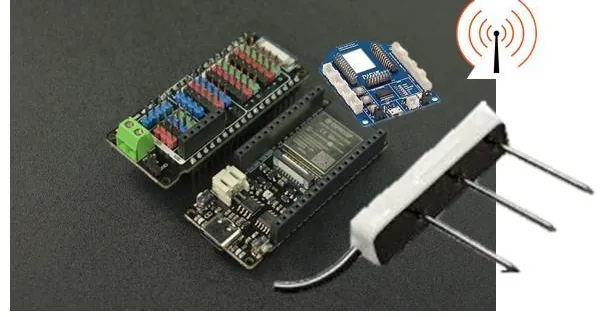
IoT sensor system for real-time collision detection on guardrails with wireless notification capabilities. Features low-latency wireless telemetry, distributed embedded architecture, and edge computing.
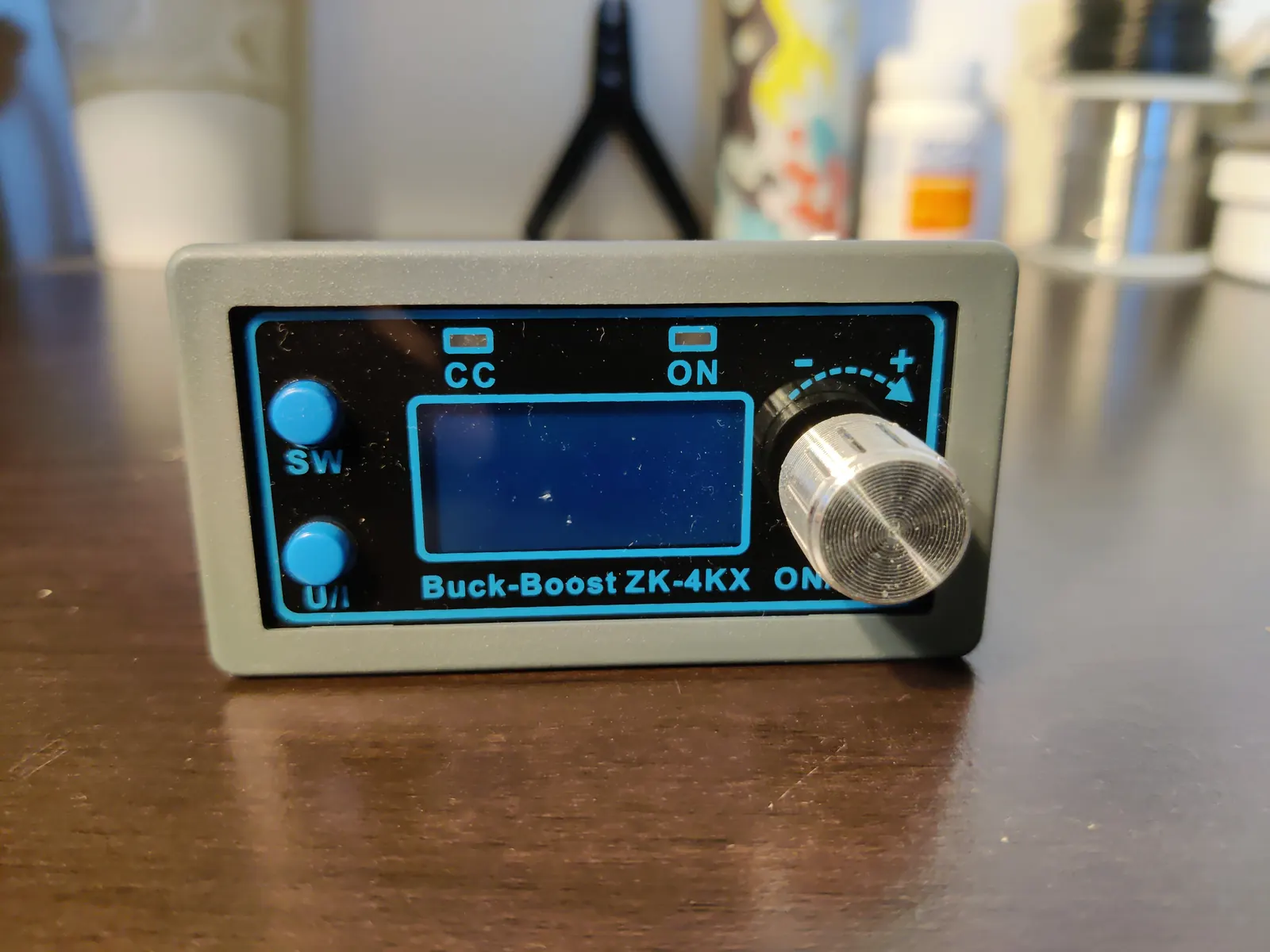
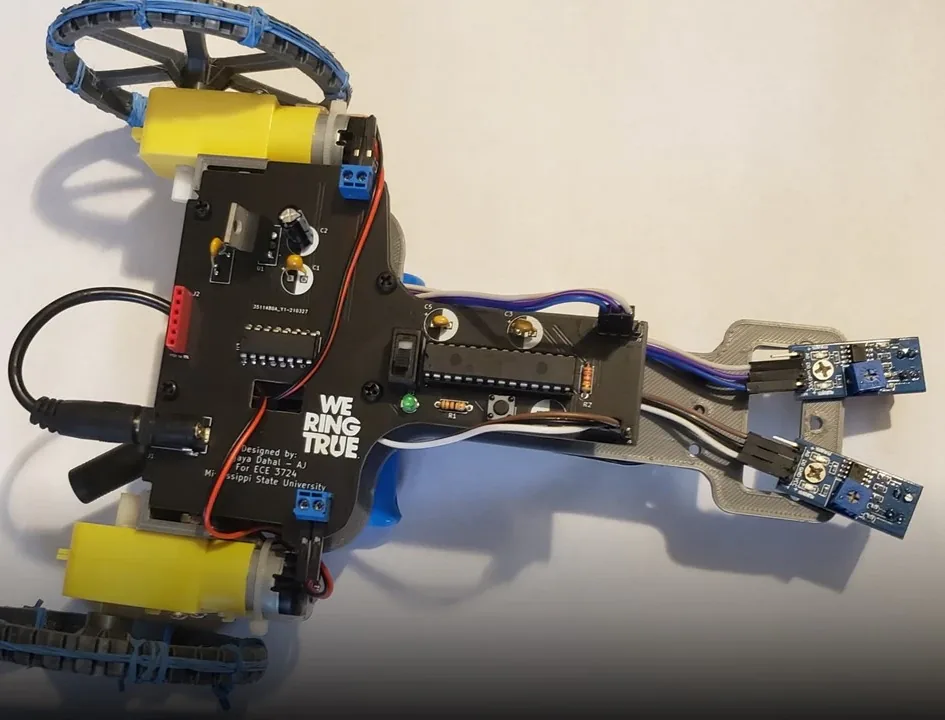
Deep analysis of commercial buck-boost converter topology (0.5V-30V, 4A). Includes PCB reverse engineering, inductor saturation analysis, feedback loop stability, and component characterization for high-efficiency power delivery.
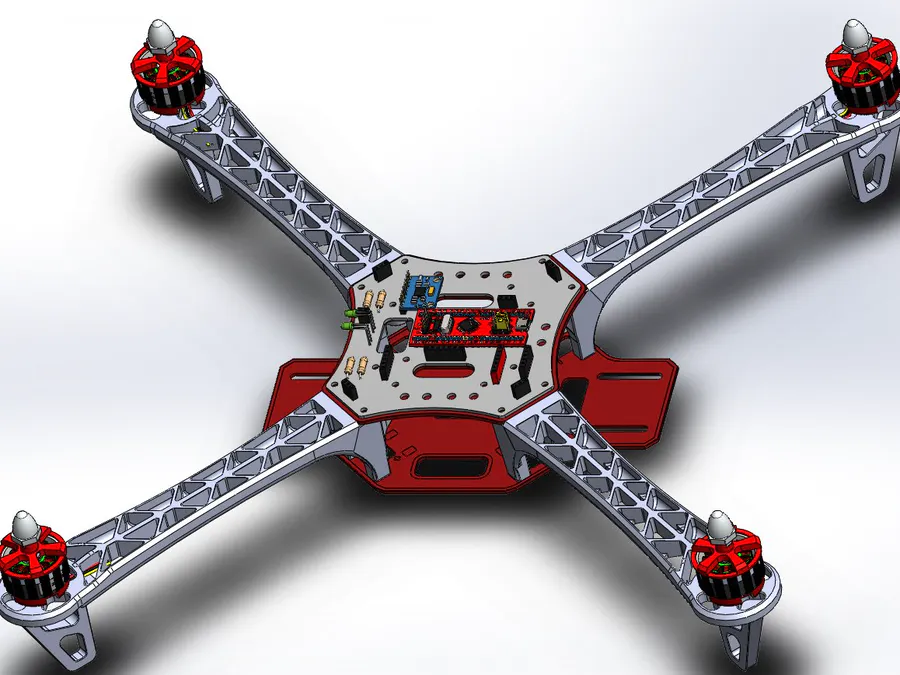
An Android app requests a drone that flies a COVID-19 test kit to the patient, so nobody who may be infected has to visit a crowded test site. Built on NXP's HoverGames kit (RDDRONE-FMUK66 flight controller, NavQ companion computer), with PX4 obstacle avoidance tested in Gazebo.
Prototypes, experiments, and weekend hacks β the playground where ideas come to life.
Core Technologies & Expertise
Vivado
Vitis
Verilog
Vitis HLS
ChipScope
Quartus
ModelSim
JTAG
Yocto
C
C++
Python
Linux
GitHub
Docker
Git
Jenkins
Altium
KiCad
Proteus
SDR
ROS
LabVIEW
srsRAN
Amarisoft
Wireshark
TensorFlow
OpenCV
Wireless InSite
Temporal.io durable execution, event-sourced pipelines, scheduled workflows, signal-based HITL
Multi-provider LLM orchestration (GPT-4o, DeepSeek, Claude), Whisper STT, voice cloning (XTTS), MusicGen, ComfyUI/FLUX
FFmpeg filter chain composition, video rendering engine, karaoke caption generation, audio mixing & ducking
Docker Compose multi-service orchestration, local GPU compute, health checks, zero-cost self-hosted infrastructure
FastAPI, HTMX + Alpine.js dashboards, Telegram Bot API, REST API integration (Facebook, Instagram, YouTube, TikTok)
5-gate QA pipeline (script, TTS, caption, render, visual), pytest-asyncio, Pydantic v2, structured logging
Java
JavaScript
Android Studio
NetBeans
Firebase
PHP
Arduino
Raspberry Pi
SolidWorks
3D Printing
PX4
ArduPilot
MPLAB
Beless
Academic Recognition & Research Contributions
When I'm not building FPGA designs, I'm chasing adventures in the skies and on the road
Where My Love for Aviation Met My Love Story
As a student pilot working on my private pilot license, I proposed to my now-wife during a flight at 1,500 feet in a single-engine Cessna 172. I had "MARRY ME" written on the ground in huge letters. She said yes!
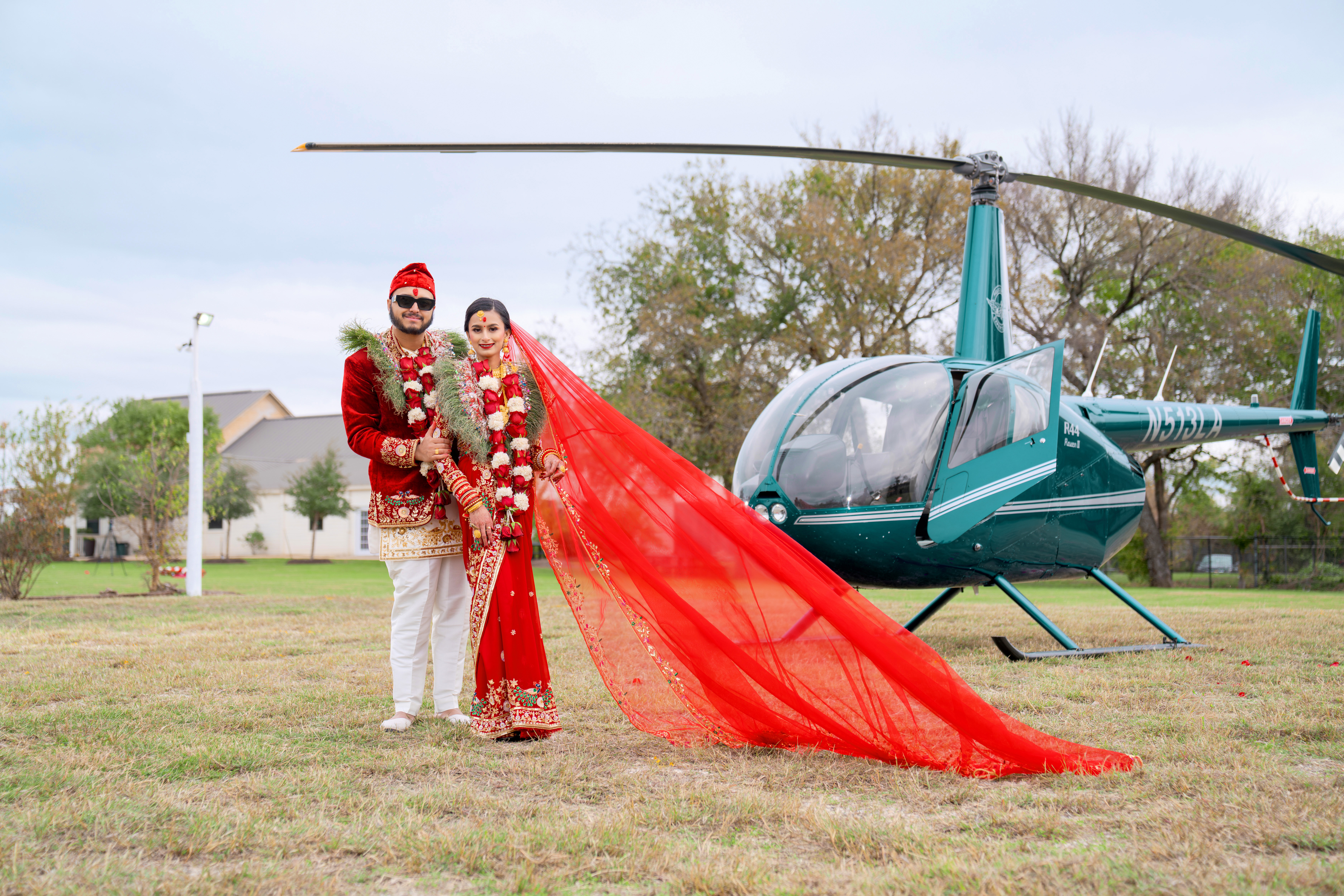
Made a grand entrance to our wedding ceremony via helicopter. When you love aviation, why not make it part of your special day?
Let's discuss FPGA engineering, network systems, or potential opportunities
π Austin, TX